
The Red Choke Point
Why AI Ambition and Data Centers are Colliding with a 10M-Ton Copper Deficit

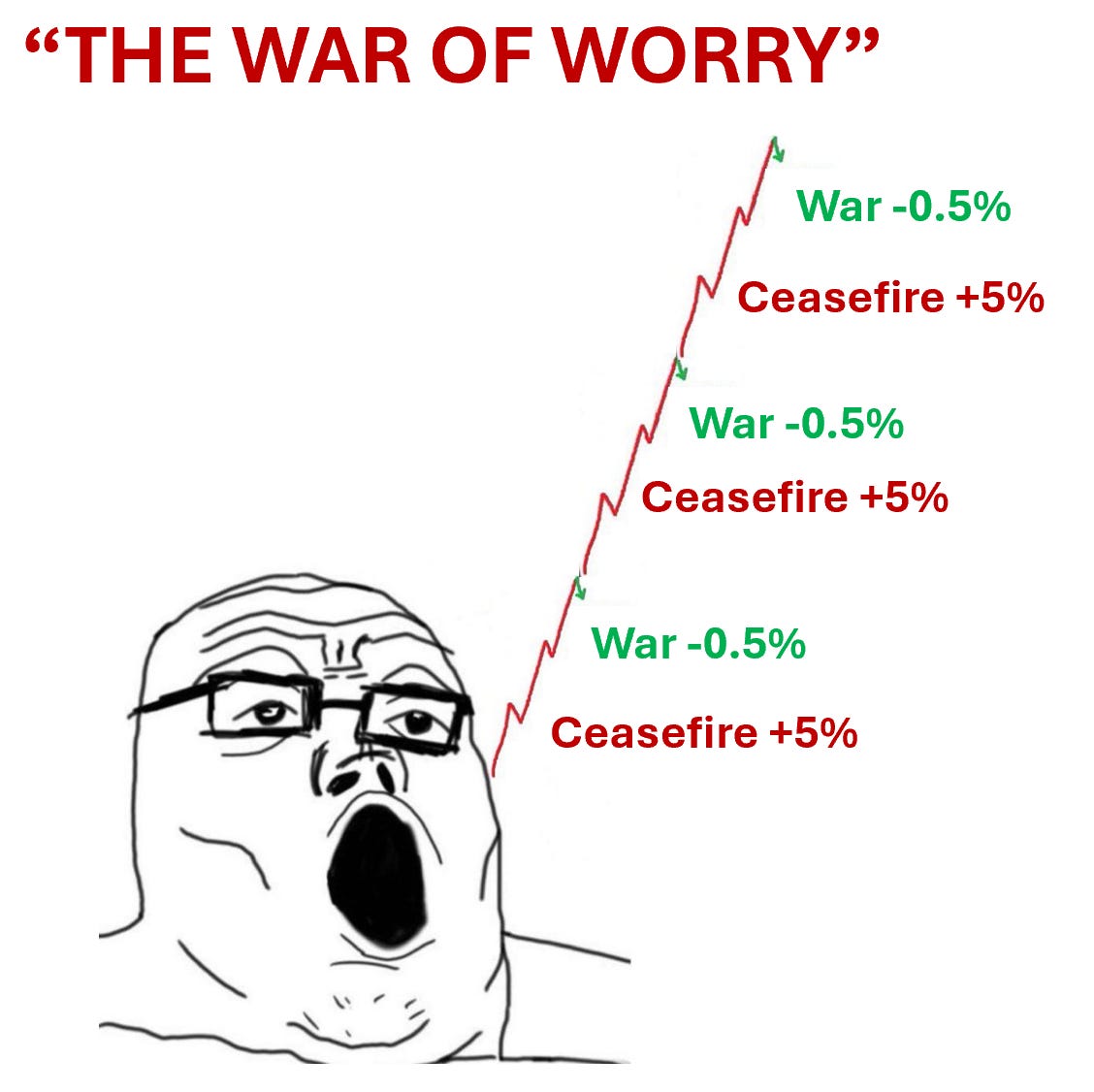
The market is currently trapped in a dangerous cycle of ‘War On/War Off’ schizophrenia. We see aggressive rips on any headline of a truce, only to see them erased the moment missiles fly in the Strait of Hormuz. But while the tape fixates on the daily back-and-forth, the real story is under the hood: Gasoline and diesel inventories are hitting worrisome lows—now 4% and 11% below their five-year averages, respectively.
The broader market is treating these shortages with the same complacency we saw in early 2020—everything is ‘fine’ until, suddenly, it’s not. We believe the market isn’t pricing this in; it’s waiting to price it in all at once. At MainSail, we aren’t waiting for the ‘holy shit’ moment. We believe the path to alpha this year lies in the physical reality of energy. We remain high-conviction in our positions across Refiners, LNG infrastructure, and the Fertilizer/Ag complex, where supply-side constraints are finally meeting an immovable wall of demand.
What I was reading and watching this week
Still working through the 'fractals of finance,' and the recurring theme is a wake-up call for the over-leveraged: price action is inherently 'wild,' and the market rarely prices in the full scope of reality. History—especially the wreckage of LTCM—proves that when you try to out-math the market’s randomness with complexity, you usually end up as the liquidity. The fractal nature of the tape tells us that opportunity is always present, but the only sustainable way to capture it is to lean into the 'KISS'- keep it simple stupid principle. We keep the strategy simple because complexity is just a mask for hidden risk.
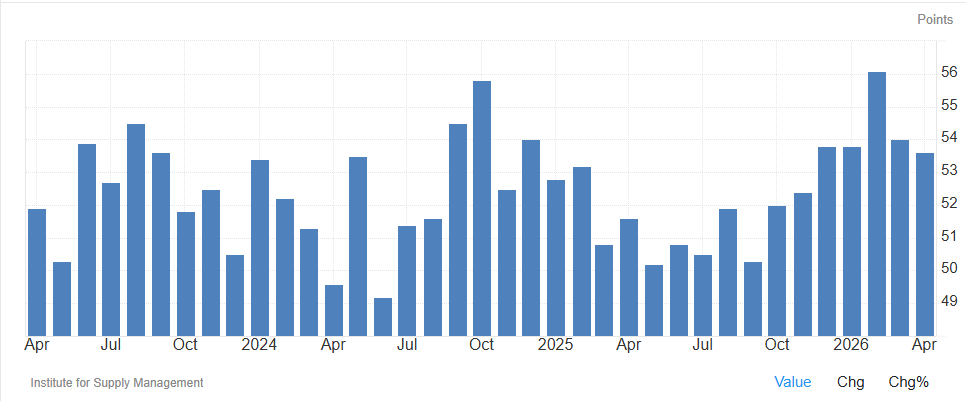
ISM Services- The Services PMI registered 53.6%, slightly lower than the 54.0% seen in March but marking its 22nd consecutive month of expansion. While Business Activity accelerated to 55.9%, the headline was weighed down by a sharp 7.1-percentage point drop in New Orders (down to 53.5%). Most notably for your macro view, the Prices Index remains stubbornly high at 70.7%, driven by persistent fuel and commodity costs (copper/petroleum), suggesting that services inflation hasn't yet broken.
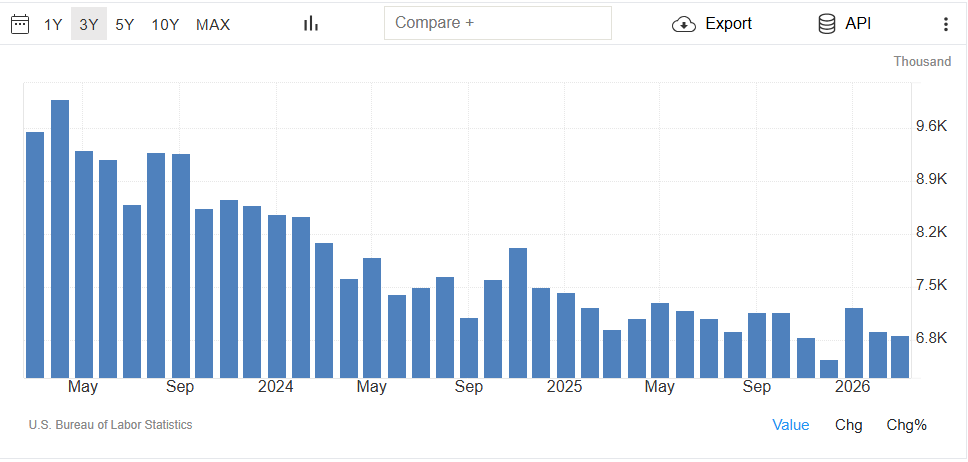
JOLTS- Labor demand held remarkably steady, with job openings virtually unchanged at 6.9 million, slightly outperforming expectations of 6.86 million. Hires saw a healthy bump to 5.6 million (+655k), more than offsetting the previous month's dip. The "quits" rate remained stable at 3.2 million, indicating that while the labor market isn't as "hot" as 2024, there is still enough confidence for workers to jump ship, keeping the pressure on wages in the services sector.
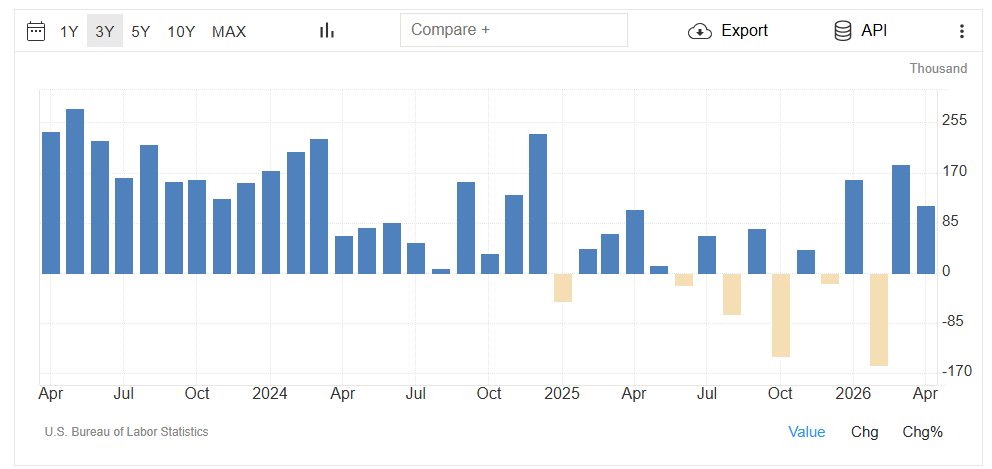
NFP- The April Nonfarm Payrolls delivered a significant upside surprise, adding 115,000 jobs—nearly double the consensus estimate of 62,000. Despite the robust headline beat, the labor market showed signs of cooling at the edges: the unemployment rate held steady at 4.3%, while average hourly earnings rose just 0.2% month-over-month (missing the 0.3% forecast). On an annual basis, wage growth slowed to 3.6%, which should provide some disinflationary relief to the Fed despite the resilient hiring in healthcare and retail.
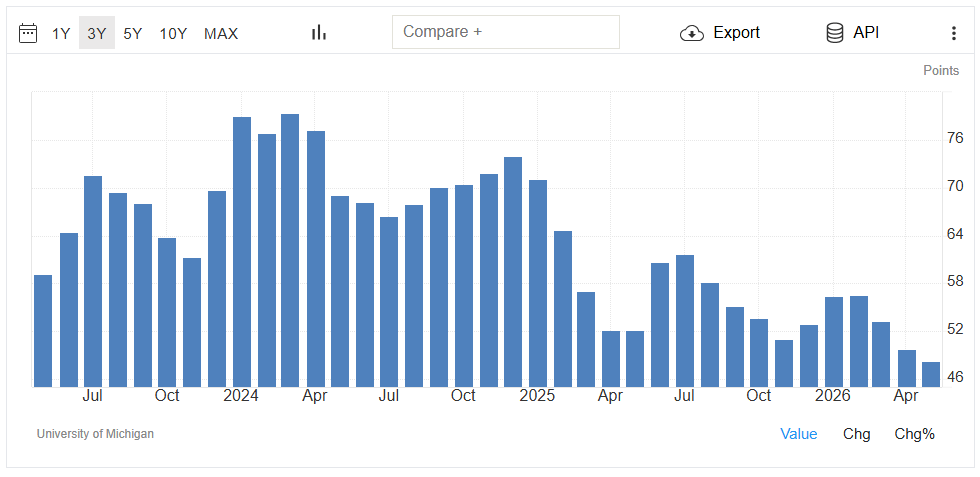
Consumer Sentiment- for May plummeted this morning to a record low of 48.2, significantly missing the consensus estimate of 49.5. The report highlights a stark bifurcation in the consumer psyche: while current conditions cratered by 9% (to 47.8) due to soaring gasoline prices and new tariff concerns, the expectations index actually inched up slightly. Crucially for your "War On/War Off" thesis, one-year inflation expectations cooled to 4.5% (from 4.7%) and five-year expectations dipped to 3.4%; however, director Joanne Hsu noted that sentiment is unlikely to recover until Middle East supply disruptions are fully resolved and energy prices retreat from their current peaks.
The Main Course
As we face a 400,000-ton deficit in 2026, I’m reminded of the opening to Thunderstruck. The rhythm of demand is building, and the global grid isn’t ready for the bolt that’s coming. We are positioned in the ‘conductors’—the names that own the physical assets the machine needs to keep the lights on.
